
The Rise of “Smart Implants”: Real-Time Data from Inside the Knee

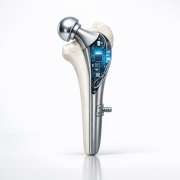
The integration of smart implant technology within orthopedic surgery marks a transformative era in knee joint management. Smart implants, equipped with embedded sensors and wireless communication capabilities, provide real-time biomechanical and physiological data from inside the knee. This innovation offers unprecedented insights into joint function, implant performanceand patient activity, fundamentally altering postoperative monitoring, rehabilitationand long-term care. For orthopedic surgeons, fellowsand residents, understanding the rise of smart implants is essential to harnessing their potential to improve surgical outcomes, personalize treatmentand advance research in knee arthroplasty and ligament reconstruction.
Current Trends
Recent years have witnessed significant advancements in the development and clinical application of smart implants in knee orthopedics. The trend is driven by the convergence of miniaturized sensor technology, wireless telemetryand data analytics. Key developments include:
- Sensor-Embedded Prostheses: Total knee arthroplasty (TKA) implants now increasingly incorporate pressure sensors, accelerometersand strain gauges to monitor load distribution, joint kinematicsand implant stability.
- Real-Time Data Transmission: Wireless communication protocols enable continuous or on-demand data transfer from the implant to external devices, facilitating remote monitoring.
- Integration with Wearables and Mobile Apps: Data from smart implants are often combined with patient activity trackers and mobile health applications, providing a comprehensive picture of patient mobility and recovery.
- Personalized Rehabilitation Protocols: Surgeons and physical therapists utilize implant-generated data to tailor rehabilitation programs based on objective biomechanical feedback rather than subjective assessments alone.
These trends reflect a paradigm shift from static postoperative evaluations to dynamic, data-driven management of knee conditions.
Innovations
The landscape of smart implants is rapidly evolving with several notable innovations:
- Advanced Sensor Technologies: Development of biocompatible, durable sensors capable of measuring parameters such as intra-articular pressure, temperatureand pH, which can indicate inflammation or infection.
- Energy Harvesting Systems: Implants equipped with piezoelectric or triboelectric generators that convert mechanical energy from joint movement into electrical energy, enabling self-powered sensors.
- Machine Learning Algorithms: Integration of artificial intelligence to analyze complex datasets from implants, predicting complications such as implant loosening or wear before clinical symptoms arise.
- Minimally Invasive Implantation Techniques: Enhanced surgical tools and navigation systems facilitate the precise placement of smart implants without increasing operative time or morbidity.
- Modular Smart Components: Development of modular sensor units that can be added to existing implant designs, allowing retrofitting of smart technology without redesigning the entire prosthesis.
These innovations collectively enhance the functionality, longevityand clinical utility of smart knee implants.
Viewpoints
The introduction of smart implants has generated diverse perspectives within the orthopedic community:
- Proponents emphasize the potential for improved patient outcomes through continuous monitoring, early detection of complicationsand personalized care. They argue that smart implants can reduce revision rates and healthcare costs by enabling proactive interventions.
- Skeptics raise concerns about the reliability and durability of sensor technology in the harsh biomechanical environment of the knee joint. Questions remain regarding data accuracy, potential sensor failureand the risk of implant-related infections.
- Ethical and Privacy Considerations are debated, particularly regarding patient consent, data ownershipand cybersecurity risks associated with wireless transmission of sensitive health information.
- Cost-Effectiveness is a contentious issue, with some clinicians questioning whether the benefits justify the increased implant costs and whether reimbursement models will adapt accordingly.
This spectrum of viewpoints underscores the need for rigorous clinical trials and consensus-building within the field.
Current Challenges
Despite promising advancements, several challenges impede the widespread adoption of smart knee implants:
- Technical Limitations: Sensor degradation over time, signal interferenceand limited battery life pose significant hurdles.
- Biocompatibility and Safety: Ensuring that embedded electronics do not provoke adverse tissue reactions or compromise implant integrity remains critical.
- Data Management: Handling large volumes of continuous data requires robust infrastructure and standardized protocols for interpretation and clinical decision-making.
- Regulatory Approval: Navigating complex regulatory pathways for implantable medical devices with integrated electronics is time-consuming and costly.
- Surgeon Training and Workflow Integration: Incorporating smart implant data into routine clinical practice demands new skills and adjustments in surgical and postoperative workflows.
- Patient Acceptance: Concerns about implant surveillance and data privacy may affect patient willingness to consent to smart implant procedures.
Addressing these challenges is essential to realize the full potential of smart implants in knee orthopedics.
Potential Solutions
To overcome current limitations, several strategies and best practices are emerging:
- Robust Sensor Design: Utilizing advanced materials and encapsulation techniques to enhance sensor durability and biocompatibility.
- Standardized Data Protocols: Developing consensus guidelines for data acquisition, storageand interpretation to facilitate clinical integration.
- Interdisciplinary Collaboration: Engaging engineers, data scientistsand clinicians in the design and implementation of smart implant systems.
- Enhanced Cybersecurity Measures: Implementing encryption and secure data transmission protocols to protect patient information.
- Surgeon Education Programs: Incorporating smart implant technology training into orthopedic residency and fellowship curricula.
- Patient-Centered Communication: Providing clear information about the benefits, risksand data privacy measures to improve patient acceptance.
- Health Economic Analyses: Conducting cost-benefit studies to support reimbursement and policy decisions.
These solutions aim to streamline the adoption process and maximize clinical benefits.
Impact on Patient Care
Smart implants have the potential to revolutionize patient care in knee orthopedics by:
- Enabling Early Detection of Complications: Real-time monitoring can identify abnormal load patterns or implant loosening before clinical symptoms develop, allowing timely intervention.
- Personalizing Rehabilitation: Objective data on joint mechanics and patient activity enable tailored rehabilitation protocols, potentially accelerating recovery and improving functional outcomes.
- Enhancing Patient Engagement: Access to implant data through patient portals or apps fosters active participation in recovery and adherence to therapy.
- Reducing Revision Surgeries: Continuous monitoring may decrease the incidence of implant failure and the need for revision procedures.
- Improving Long-Term Outcomes: Data-driven insights into implant wear and joint biomechanics can inform implant design improvements and surgical techniques.
- Facilitating Remote Care: Telemedicine integration allows for postoperative monitoring without frequent clinic visits, increasing access for patients in remote areas.
Collectively, these impacts contribute to improved quality of life and satisfaction for patients undergoing knee procedures.
Future Outlook
The future of smart implants in knee orthopedics is poised for significant growth and innovation:
- Integration with Augmented Reality (AR): Real-time implant data could be visualized intraoperatively or during rehabilitation using AR platforms to enhance surgical precision and patient education.
- Closed-Loop Systems: Development of implants capable of autonomously adjusting joint mechanics or delivering targeted therapies based on sensor feedback.
- Expanded Indications: Application of smart implant technology beyond arthroplasty to ligament reconstruction, cartilage repairand osteotomy procedures.
- Big Data and Predictive Analytics: Aggregated implant data across populations will enable predictive modeling of outcomes and personalized risk stratification.
- Regenerative Medicine Synergy: Combining smart implants with biologic therapies to monitor and optimize tissue healing.
- Global Accessibility: Advances in cost reduction and wireless infrastructure may facilitate broader adoption in diverse healthcare settings.
These advancements will further embed smart implants as a cornerstone of precision orthopedics.
Key Takeaways
- Smart implants represent a groundbreaking advancement in knee orthopedics, providing real-time, in vivo data that enhances clinical decision-making and patient management.
- Recent trends emphasize sensor integration, wireless communicationand personalized rehabilitation, supported by innovations in sensor technology and data analytics.
- Diverse viewpoints highlight both the transformative potential and the challenges related to technology reliability, data privacyand cost-effectiveness.
- Current challenges include technical limitations, regulatory hurdlesand the need for surgeon training and patient acceptance.
- Proposed solutions focus on robust design, standardized data protocols, interdisciplinary collaborationand patient-centered communication.
- The impact on patient care is profound, enabling early complication detection, personalized therapyand improved long-term outcomes.
- The future promises integration with AR, closed-loop systems, expanded clinical applicationsand enhanced predictive analytics.
- Embracing smart implant technology will be essential for orthopedic surgeons committed to advancing knee care through precision medicine and data-driven practice.
Last Updated on September 18, 2026 by OrthoNet AI




Leave a Reply
Want to join the discussion?Feel free to contribute!